

The Case for Strength Training in Endurance Sport
Six months ago I told runners to skip the gym and run more instead. This time, I discuss what the research says about the benefits of strength training for endurance runners.

If you’re looking for highlights rather than a deep dive, feel free to skip straight to the Key Takeaways throughout. If you want the nuance, the data, and the reasoning behind it, read on.
Back in January, I released a Substack article called “Why Runners Should Not Strength Train” [1], later turned into a solo podcast episode [2]. My argument was that performance-oriented runners training under 10 hours/week with no significant injury history should put any additional 2026 training hours into running, not lifting. Most research studies showing the benefits of strength training weren’t work-matched between groups, and those that were used test protocols that favour the strength protocol tested (e.g. a 30 metre dash for a plyometrics intervention), none of which come close to the demands of an ultra marathon.
Meanwhile, increased training volume correlates strongly with improved endurance performance, even in ultras, and many coaches treat running volume as the foundational lever in their training pyramid. So if performance is your sole goal, it is my belief that the case for increasing mileage is stronger than the case for adding strength training.
There are, however, many good reasons why endurance athletes, including runners, may want to strength train, and that’s what this article covers. Some of these arguments are covered in this article, laid out as fairly as I can make it. It’s then up to you, the self-coached athlete, to decide whether you want to use strength training as a training intervention. If you do want to go down that route, my article “A Scientific Guide to Strength Training for Endurance Athletes” should help you get started [3].
In an effort to give a more informed and well-rounded perspective, this article will be accompanied by two podcast episodes, one with Dr. Richard Blagrove, an exercise physiologist coming at this as a strength and conditioning researcher but who’s also worked extensively with endurance athletes, and Scott Johnston, an endurance coach who approaches the discussion from a more practical angle. These two podcasts will be released next week.
The Muscular Demands Of An Ultra
As part of my research for this article, I found a paper which claims to be the first study to continuously track muscle strength and power throughout an entire ultra trail race, rather than just before and after [4]. Most neuromuscular fatigue research in ultra running has been limited to pre/post snapshots, but Markov et al. took measurements at eight separate time points, including mid-race.
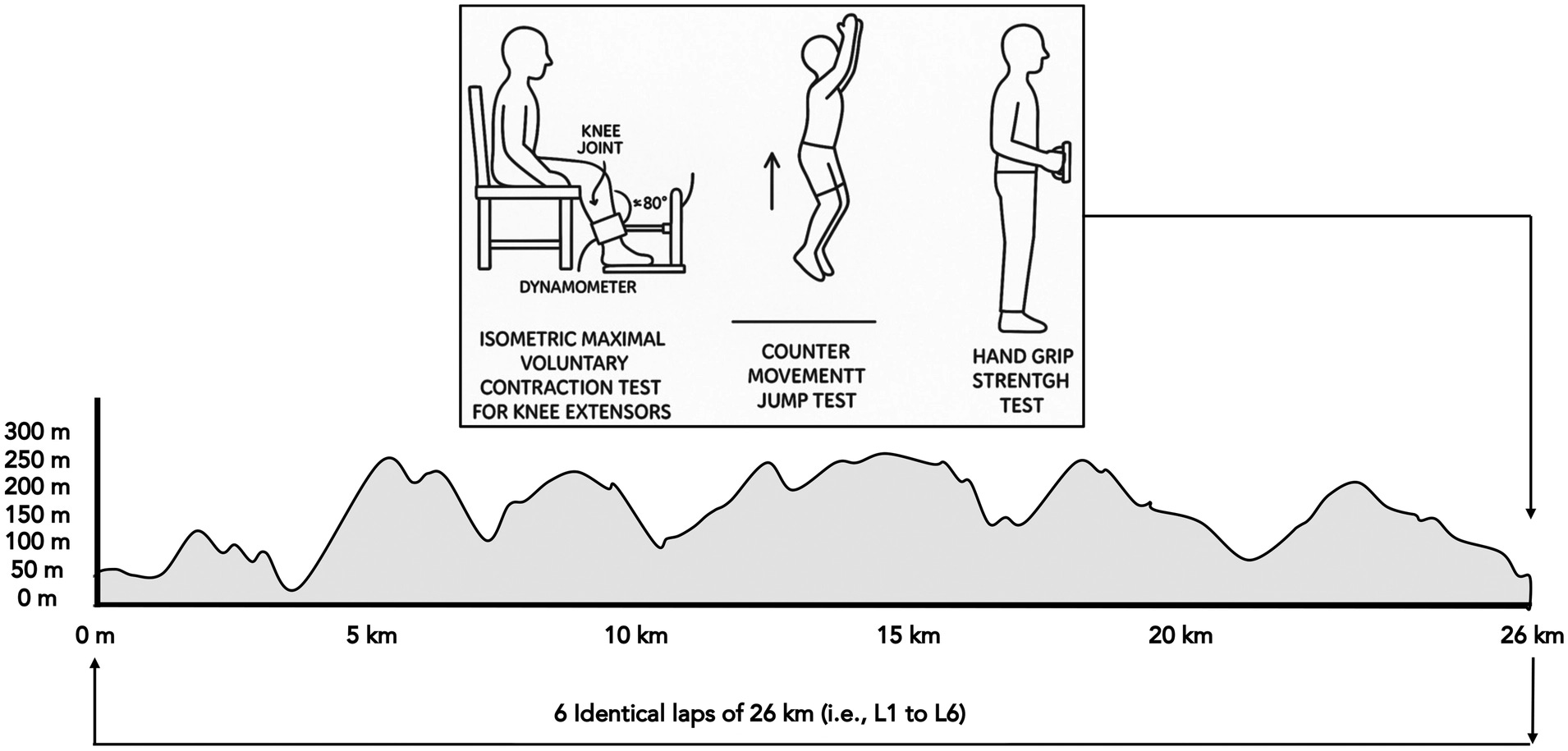
55 experienced participants (43 men, 12 women, average age 45.2 ± 13.6 years, at least two prior ultra finishes, including one over 160 km/100 miles and one under) were studied while participating in the 2021 edition of the Trail Scientifique de Clécy, a 156 km/97 miles course split into six identical 26 km laps, each with 1,000 m/3,300 ft of climb and descent. Since this study was looking for strength demands specifically in the legs, participants were not allowed to use poles.
Before the race and after each 26 km/16.2 mile lap, each participant was measured for:
Isometric knee-extensor strength (both legs) via a seated dynamometer chair, knee bent at 90° (this measure was also tested 12 hours post-race)
Handgrip strength via dynamometer
Squat jump power and height via force plates (three jumps, best one used)
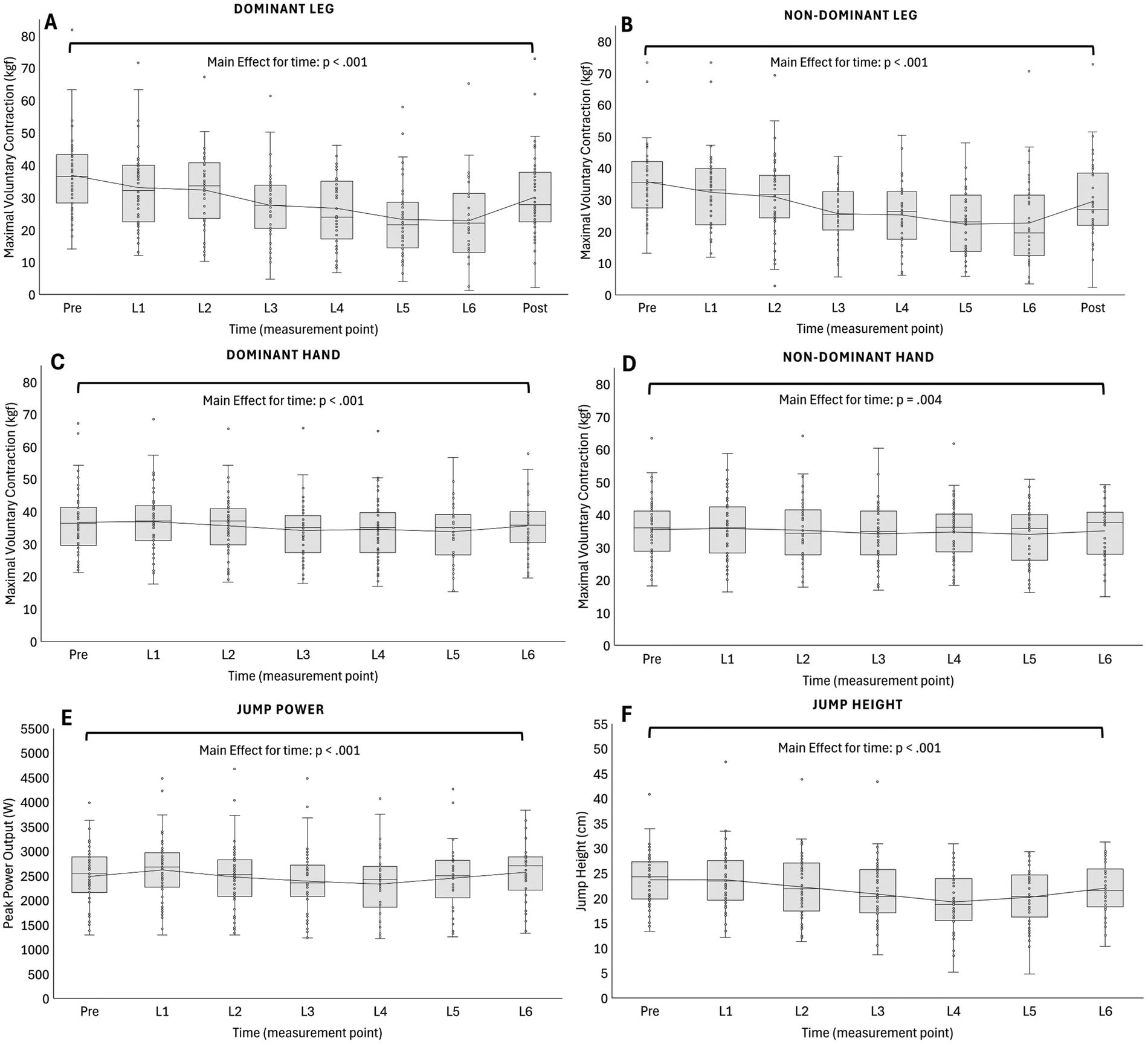
The main finding was that knee-extensor strength dropped consistently between laps, resulting in a 41% decline from pre-race to finish, with both the dominant and non-dominant legs declining similarly. By 12 hours post-race, knee-extensor strength had already recovered by 26%-29% relative to the finish line values.
Hand grip, by contrast, only fell 2-5% overall and mostly recovered by the finish, which points towards peripheral fatigue in the leg muscles rather than a systemic shutdown.
Jump power and height results told a more nuanced story. Both declined gradually from lap 1 to lap 4 (18% drop in jump height, 10% in peak power) but then partially recovered from lap 4 to the finish, even as knee isometric strength kept declining. The authors speculate this divergence might reflect changes in muscle-tendon stiffness or energy reallocation, with sustained force production and short explosive efforts possibly governed by different mechanisms under fatigue.
Performance data added another wrinkle. Strength loss magnitude did not predict finishing position among finishers, explaining only about 11% of the variance, so “how much strength you lose” was a poor predictor.
However, baseline strength did separate finishers from the group that dropped out after lap 5 specifically, as those DNFs started ~27% weaker and stayed weaker at every time point they were measured. Having said that, there were only 4 DNFs after lap 5, 3 of which were female, and when strength was normalised to body mass, this relationship disappeared. Furthermore, runners who dropped at 3 or 4 laps showed no strength deficit versus finishers, and their reasons for quitting were more mixed (GI issues, foot pain, vomiting) rather than the generalised exhaustion cited by all 5-lap dropouts.
This study had a few limitations worth noting. Firstly, laps 2 and 3 were run overnight, so there might be a circadian/sleep confound, since circadian dips plus sleep deprivation are independently known to shave 3-17% off strength. The handgrip and jump metrics ticking back up near the end of the race might also reflect a motivational surge as the finish line approaches. The authors did not track nutrition or hydration, both of which can affect strength and fatigue. And it’s fair to ask whether isometric knee-extensor strength, handgrip and jump tests are even the right metrics for measuring fatigue in ultra endurance runners.
Honestly, I’m not entirely sure what to take from this study. Knee strength drops consistently, yet neither base strength (even normalised to body mass) nor strength loss relates to performance, which surprised me. I’d have expected some relationship, but maybe a small sample size and the wrong exercise being tracked explain the null finding. Looking at other similar research should give a more complete picture.
Key Takeaway 1: Leg strength tends to consistently decrease over the duration of an ultra marathon, but there does not seem to be much of a relationship between base strength, strength loss and performance.
The Strongest Argument For Lifting: Running Economy
When it comes to the effect of strength training on running economy, two reviews are regularly cited, one by Balsalobre-Fernández et al. [5] and one by Rønnestad and Mujika [6], who also looked at the evidence for cycling.
Although both reviews took a slightly different approach, they converge on the fact that running economy improves with strength training. The exact size of the improvement differs between studies due to different cohorts and methodologies, but a reduction of 1.88 ± 2.31 ml/kg/min was observed in the cohort which adopted a strength protocol, while an increase of 0.51 ± 2.76 ml/kg/min was observed in the non-strength group, an effect of 1.06 standard deviations (N.B. excluding Paavolainen et al., treated as an outlier in the Balsalobre-Fernández review).
Both heavy loading (near-maximal, low-rep) and explosive/plyometric training improve running economy, and neither review found one modality categorically superior for running. That said, the study by Støren et al., which used a heavy-load-only protocol, produced an effect nearly as large as multi-component protocols, and larger than Saunders’ plyometrics-only approach, which suggests heavy loading does much of the work itself and that plyometrics/sprints aren’t strictly necessary to get a large effect.
When it comes to prescription, both papers point towards a study by Mikkola et al., where the intervention was diluted to just one strength session per week (replacing some endurance volume), and running economy didn’t improve. The Balsalobre-Fernández review proposes an actionable 3:1 endurance:strength ratio, with strength work being roughly 30% of total sessions, while Rønnestad & Mujika prescribe 2 sessions/week during a build phase at 4-10 repetition maximum, tapering to about 1 session/week in-season purely for maintenance. For a full deep-dive on prescription, see my article “A Scientific Guide to Strength Training for Endurance Athletes” [3].
Their review also found strength training had no effect on VO2 max, an inconsistent positive effect on lactate threshold, increased velocity at VO2 max (probably due to the improvement in running economy itself), an increase in time to exhaustion, a small increase in muscle hypertrophy, and no increase in body mass.
Key Takeaway 2: 2-3 sessions of heavy strength training a week can have a significant improvement on your running economy.
From The Road To The Trail
Running economy is the most supported and cited performance improvement of strength training, including in feedback to my previous article, however, most research was done over shorter distances and using flat running protocols.
From a study by Sabater Pastor et al. comparing elite French trail runners with their road running counterparts, lab tests showed that trail runners had higher dynamic maximal force and power notwithstanding the fact that road runners trained 81% more and incorporated strength training, while the trail runners did not strength train [7]. The authors speculate that trail running itself acts as a form of resistance training, since the constant negotiation of uneven terrain and steep climbs provides a stimulus that builds leg strength. The logical question is therefore whether strength training can also improve running economy in ultra endurance trail runners. The answer points towards a yes, with caveats.
In 2017, Giovanelli et al. asked whether adding strength, explosive and plyometric work to an ultra marathoner’s running would improve running economy, and whether any change was explained by lower-limb power or shifts in running mechanics [8].
Twenty-five well-trained male Italian ultra marathoners (average age 38, BMI around 23, VO2 max about 55 ml/kg/min, five years running ultras, 88 km/week (55 mi), marathon PBs around 3:00, 100 km/62 mile PBs around 9:00) were split into an exercise group (13) and control group (12), matched at baseline on every measured variable.
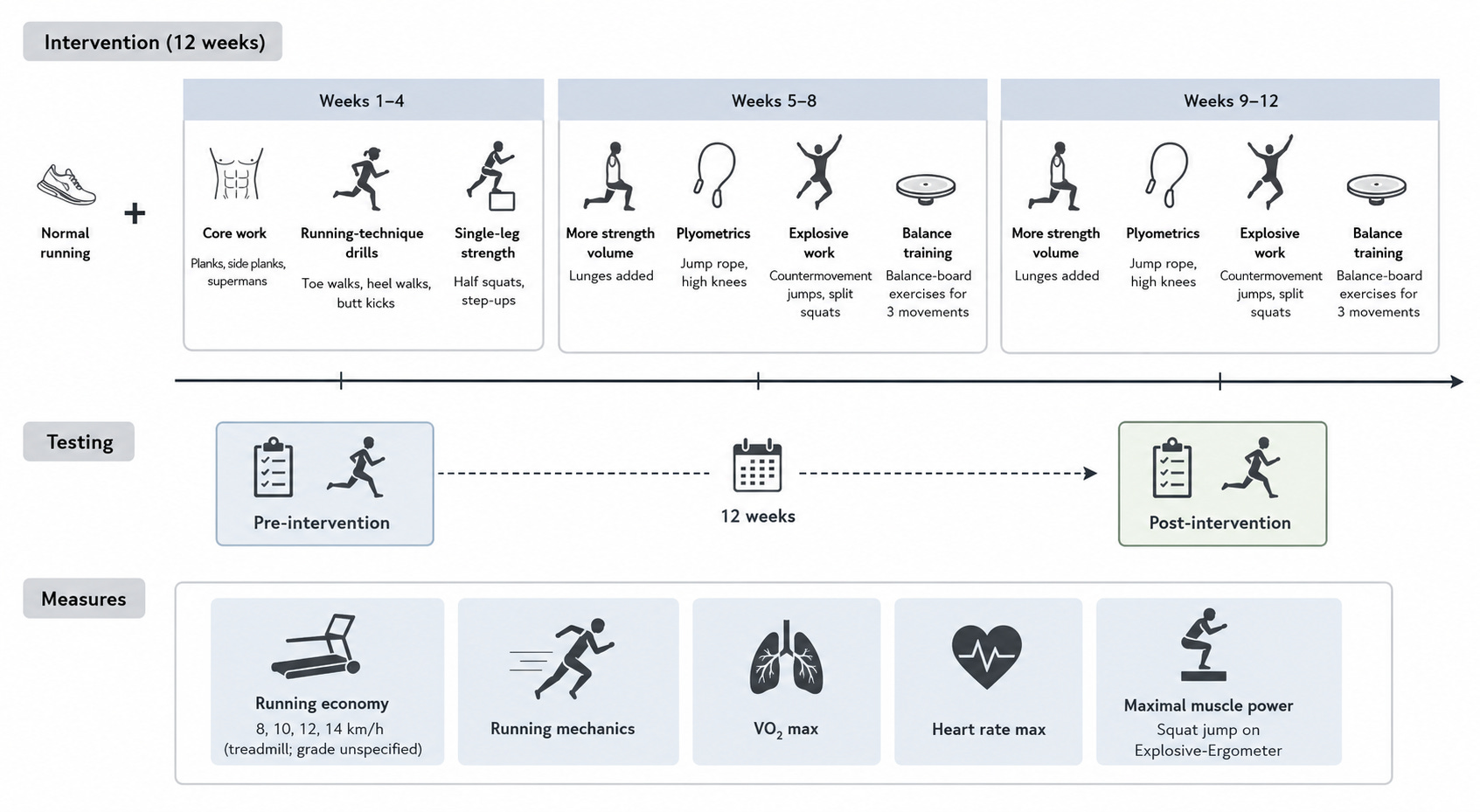
The exercise group added three home-based, load-free strength/explosive/plyometric sessions a week (25-30 minutes each) for 12 weeks, on top of normal running, in three progressive 4-week blocks:
Weeks 1-4: core work (planks, side planks, supermans), running-technique drills (toe walks, heel walks, butt kicks), and single-leg half squats/step-ups. Framed as an “adaptation” phase to avoid injury.
Weeks 5-12: more strength volume (lunges added), plyometrics (jump rope, high knees), explosive work (countermovement jumps, split squats), plus balance-board exercises for three of the movements.
Running economy was measured on a treadmill at 8, 10, 12 and 14 km/h (5, 6.2, 7.5, 8.7 mi/h, grade unspecified), alongside running mechanics (contact time, aerial time, stride frequency/length, spring-mass parameters), VO2 max, heart rate max, and maximal muscle power via a squat jump on an “Explosive-Ergometer.”
Running economy improved across all four speeds in the exercise group after 12 weeks, with no change in controls. The cost of running fell 6.4% at 8 km/h (5 mi/h), 3.5% at 10 (6.2 mi/h), 4% at 12 (7.5 mi/h) and 3.2% at 14 (8.7 mi/h), roughly a 4.3% improvement across speeds.
Maximal muscle power rose 5.1%, though not significantly between groups. More notably, contact time increased about 4.4% at 8, 10 and 12 km/h (5, 6.2, 7.5 mi/h), and aerial time dropped at 8 km/h (5 mi/h), while stride length and frequency were unchanged. The authors lean on the “cost of generating force” hypothesis (Kram & Taylor, 1990), where longer contact time means force is applied more slowly, recruiting cheaper, slower fibres, which may explain the improved economy, while flagging that the theory originates from inter-species comparisons and isn’t fully validated in humans.
This matters because, as shown by Simon De Waal [9] and by Espeit et al. [10], level-ground running economy tests correlate poorly with performance at ultra marathons, or with running economy tested at gradients above 10%.
I don’t think this recent finding negates strength training’s performance benefit, but it frames exactly where our understanding of its implications for ultra running currently stands.
Key Takeaway 3: Notwithstanding the fact that trail runners tend to be stronger than their road running counterparts due to the demands of the terrain, at-home strength training may still benefit their running economy.
Where I Think This Is Heading
The most popular form of ultra endurance races tends to be trail-based events performed on mountainous or hilly terrain. As a consequence, athletes training on course-specific terrain will invariably get some strength benefit just from running on hilly and mountainous terrain. This was the finding of Sabater Pastor et al. [7].
We also know that notwithstanding the improvements in running economy derived from strength training, most of these test protocols are performed on level ground, which, as the work by De Waal [9] and Espeit et al. [10] show, is not representative of running economy above a 10% gradient, a slope very common within most trail and ultra races.
While I do think there is some benefit to strength training for ultra endurance running, the link between strength training and running economy specifically within the context of ultras has not been proven yet. This does not mean it does not exist, but it does mean any claim is mere speculation or anecdote, and has yet to be proven.
My personal belief is that strength training may also elicit some benefit to running economy on steep terrain, as repeatedly exposing yourself to higher loads or weights might reduce the strength demands required to run or hike a steep uphill. The mechanism might be similar to the theory behind why muscular endurance workouts work, a training approach popularised by Scott Johnston [11] (my podcast episode with Scott Johnston can be found at [12], with a new episode being published in a week).
Muscular endurance training exposes you to a strength stress higher than the trail demands but below maximal load, directly fatiguing Type IIx fibres and slowly “converting” them into more fatigue-resistant Type IIa "frontier" fibres. This isn’t too dissimilar to what Giovanelli et al. found [8].
Though muscle power gains weren’t statistically significant, contact time increased while aerial time dropped. Their “cost of generating force” hypothesis, that longer contact time recruits cheaper, slower fibres, may be the missing link explaining why strength training, especially via muscular endurance work, could benefit ultra performance.
To be clear, this is just a hypothesis, no better supported than claims that flat-ground running economy gains translate to mountainous ultra performance. I’d welcome your thoughts in the comments, and if you’re a coach or researcher who sees merit or holes in my hypothesis, please feel free to send my your opinion at niki[at]bornonthetrail[dot]com.
Did you know? Every month I release The Monthly Orientation: your training focus for the month, a workout to try, and the best reads and listens from the endurance world. Upgrade to paid to not miss out.
Not ready to commit? Send me a message and I’ll comp you a one-month trial so you can go back and read through all previous releases, all for free.
Strength Training For The Back Half Of A Race
Moving beyond running economy on to something regular readers will know I find very interesting: durability. I’ve written about durability in the past, most notably [13], but there is some interesting new research suggesting that strength training may help with durability in endurance athletes too.
My understanding of durability has evolved over time. In the past, I used to look at it from a purely muscular lens, i.e. how much downhill impact your legs can withstand before they are “shot”, or how hard you can push the uphills before you slow to a crawl. This is a legitimate interpretation, however, as one of my previous articles states, durability can also be a physiological concept [9].
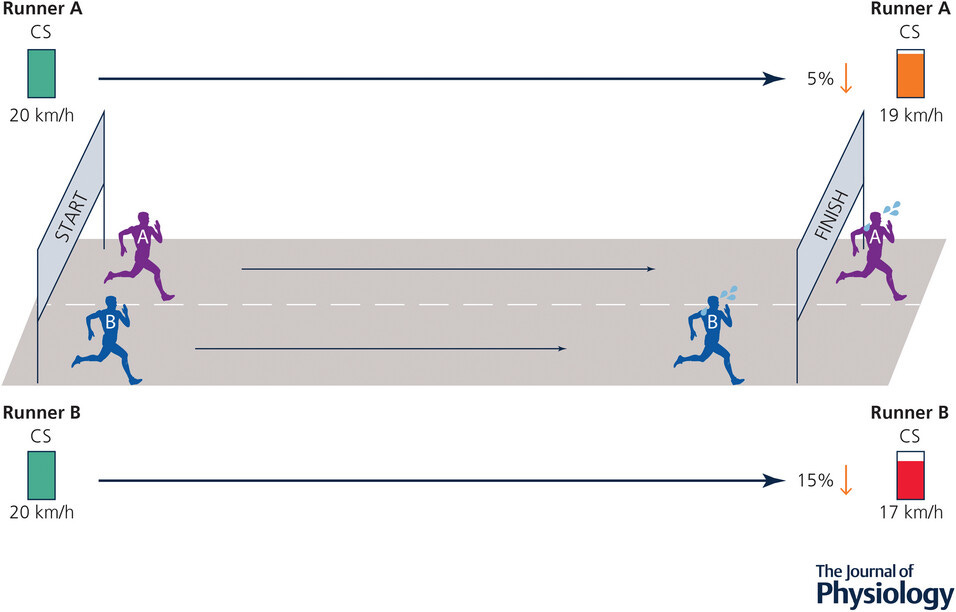
As we know, most tests for VO2 max, lactate threshold and running economy are done in a fresh state. Over the duration of a race those metrics slowly decrease, so while two athletes might have identical lab numbers, the rate of decay over the course of the race may be the deciding factor between them. Zanini et al. performed a study looking to understand whether strength training can improve running economy durability [14].
28 well-trained athletes (57-59 ml/kg/min VO2 max, 10K speed around 15.3-15.4 km/h (9.5 mi/h), body mass 69-71 kg (154 pounds), early to late 30s, achieved a sub-50-minute 10K in the previous six months, over 20 km/week (12.4 mi) of running, no lower-limb strength training in the six months prior) were split into a control group, which continued their normal running, and an intervention group.
The intervention group added two supervised strength and plyometric sessions a week for 10 weeks. Each session was about 45 minutes and contained two plyometric drills (progressing from pogo jumps and hop-and-stick early on to drop jumps and bounding for length by weeks 8-10), three lower-limb strength exercises (barbell back squats and single-leg press done with velocity-based training, aiming for 0.35-0.55 m/s bar speed, roughly 80–90% 1RM with maximal intent), and seated isometric calf raises. Leg press 1RM was retested at week 6 to keep loads accurate.
Before and after the block, participants ran 90 minutes at 10% delta between their 1st and 2nd lactate thresholds (roughly marathon effort), with running economy sampled every 15 minutes. Immediately after, treadmill speed jumped to 95% of VO2max and they ran to voluntary exhaustion, a proxy for a final race-ending push.
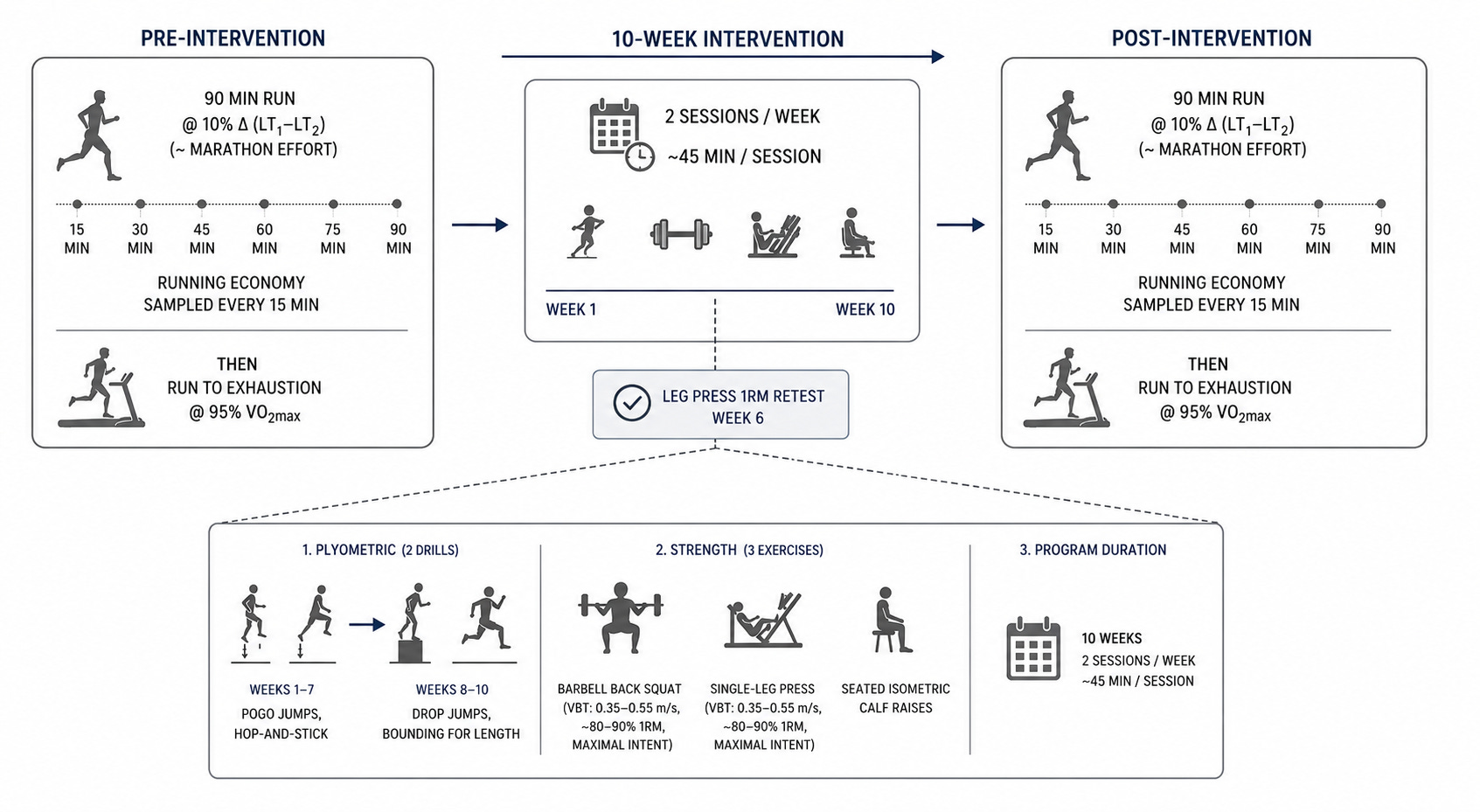
As expected, strength measures moved a lot in the intervention group and barely at all in the endurance-only group, and the intervention group also saw whole-body fat mass drop by about 11%. In a “fresh” state, running economy didn’t improve at all in either group, which contrasts with a lot of the literature mentioned above, however, an effect showed up later in the run. While running economy worsened in both groups over 90 minutes, the drift was much smaller in the intervention group, whose deterioration relative to the 15-minute mark dropped from 4.7% pre-intervention to 2.1% post-intervention at the 90-minute mark. The endurance-only group showed no such improvement. The intervention group also saw improvements in blood lactate and RPE, a pattern the control group did not show.
When it came to the time to exhaustion test at 95% VO2max, run immediately after the 90-minute fatiguing bout, the intervention group improved by an average of 35% (247s to 324s), while the endurance-only group showed no significant change. Interestingly, the VO2 reached at exhaustion didn’t change in either group, and blood lactate at exhaustion didn’t show a group-by-training interaction either, even though the intervention group did reach a higher absolute lactate post-training (+22%), consistent with them being able to push harder.
Key Takeaway 4: Strength training could be used as a way for a runner to improve their muscular durability.
But What About Long Runs?
Paralleling a frequent criticism I made in my first article [1], the intervention group trained more overall, since strength work was added on top of running, so it’s no surprise they improved while the control group didn’t. Fortunately, the same group (Zanini et al.) also ran a cross-sectional study, a “snapshot” of a population at one point in time, to look at how the broader training picture affects durability [15].
Twenty-six male runners were split into a long-distance group (a continuous run of 90+ minutes at least 3 times a month) and a short-distance group (no run over 70 minutes in the past six months). The two groups had similar 10K performance (39:10 vs 39:00) and VO2 max (56.6 vs 58.9 ml/kg/min) but differed in age (30 vs 25) and training makeup. The long-distance group ran 21 km/week (13.4 mi) more overall, a gap that held even excluding each group’s longest run, though total training duration and frequency didn’t differ. That’s because the long-distance group ran much more of their volume at moderate intensity (75% vs 48%), while the short-distance group ran more at severe intensity (29% vs 10%) and compensated with more strength training (2.2 vs 1.0 h/week).
As expected, the short-distance group had substantially higher isometric squat force and jump height at baseline (45% and 24% higher), but crashed harder after the run. Squat force dropped 19.4% vs 12.2%, and countermovement jump power/height dropped 6.6% versus staying essentially unchanged (+2.2%) in the long-distance group. Both groups’ running economy worsened over 90 minutes, but the short-distance group deteriorated earlier and more, drifting 6.0% by 90 minutes versus 3.1% in the long-distance group, a divergence significant from 60 minutes onward. The long-distance group also had better absolute running economy at every time point, including baseline, so they had both better durability and better base economy.
One wrinkle in the study was that in the 90-minute durability test, the short-distance group covered 18.3 km (11.4 mi) on average, over 50% further than their usual longest run (12 km, 7.5 mi), while the long-distance group covered 19.4 km (12.1 mi), almost identical to their habitual long run (19 km, 11.8 mi).
Where does this leave us? No closer than in January. Strength training has positive effects on running economy, and provisional research suggests it may improve durability, but the correlation between mileage, long runs and performance is also strong. Having said that, the mileage in this study is fairly low (30 to 50 km/wk, 18.6 to 31.1 mi/wk), significantly less than what most ultra endurance runners perform per week. The question is what is the point of diminishing return? Would durability be enhanced if an athlete runs 85 km/wk (52.8 mi) and dedicates 2 hours to strength training, or if they run 100 km/wk (62 mi)? Science does not have the answer yet, but I feel that the question is legitimate.
Key Takeaway 5: Athletes regularly running long runs and with higher overall training volumes exhibit better running economy durability.
What Strength Training Does For Your Body Long Term
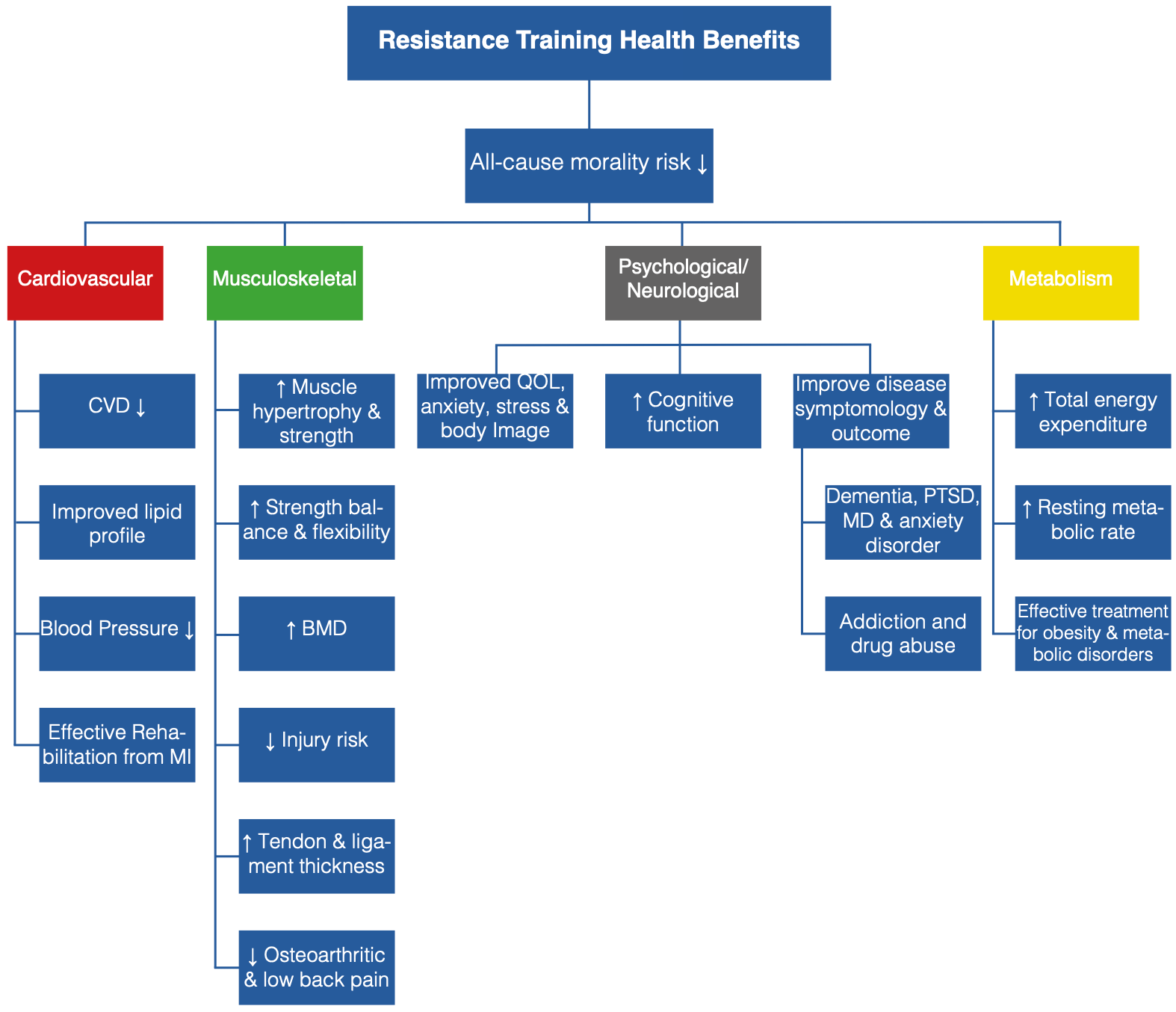
This article wouldn’t be complete without the health case. Papers like “Resistance Training is Medicine” [16] and “Raising the Bar for Public Health” [17] remind us there’s more to exercise than performance. I want to shine a light specifically on bone health and the musculoskeletal system [18].
A strong musculoskeletal system matters as it’s the physical basis of movement performance while also protecting the body from breaking down under load. Muscle, bone, tendon and cartilage aren’t passive; they generate and transmit force and absorb impact. Maximal strength is described as “one of the key foundations for the expression of high power outputs,” influencing rate of force development, jumping, sprinting, change of direction, and even running economy. Athletes with greater relative strength tend to tolerate higher training loads and spikes better, which may reduce injury rate.
The reason strength training builds this up comes down to your body adapting to the stress you put on it. When muscle is loaded with enough resistance it grows, and bones and tendons work the same way. Since they largely depend on the pulling force generated by muscle, when muscle pulls harder on them regularly, they get stronger too. This process is helped along by hormones, as testosterone supports building up tissue, while cortisol (a stress hormone) can break it down, and the balance between the two shapes how much you adapt. Bone has its own built-in sensors that detect movement and mechanical stress and respond by getting denser. Because muscle, bone and tendon each need a slightly different amount and type of stress to adapt, and because they adapt at different speeds (muscle can noticeably strengthen within a few weeks, mostly because your nervous system gets better at using it, while bone and tendon typically need at least 2-3 months of consistent training to show real change), a strength programme has to be intense and progressive enough to actually trigger these changes. Just doing light exercises with lots of reps isn’t the same as real strength training and won’t produce the same results.
For muscle, resistance training builds size and strength, especially in the fast-twitch fibres that shrink first with age, which is why it’s seen as the best tool against sarcopenia, defined as the age-related loss of muscle mass, strength, and function.
For tendons, resistance training makes them stiffer and thicker, helping them store and return energy more efficiently.
These improvements have been observed in post-menopausal women [19], ageing males [20], and runners [21], where those who also lifted weights had stronger bones than those who didn’t.
Key Takeaway 6: Strength training improves bone strength, muscles and tendons which in turn may allow the athlete to withstand greater training loads.
Strength Training and REDs Recovery
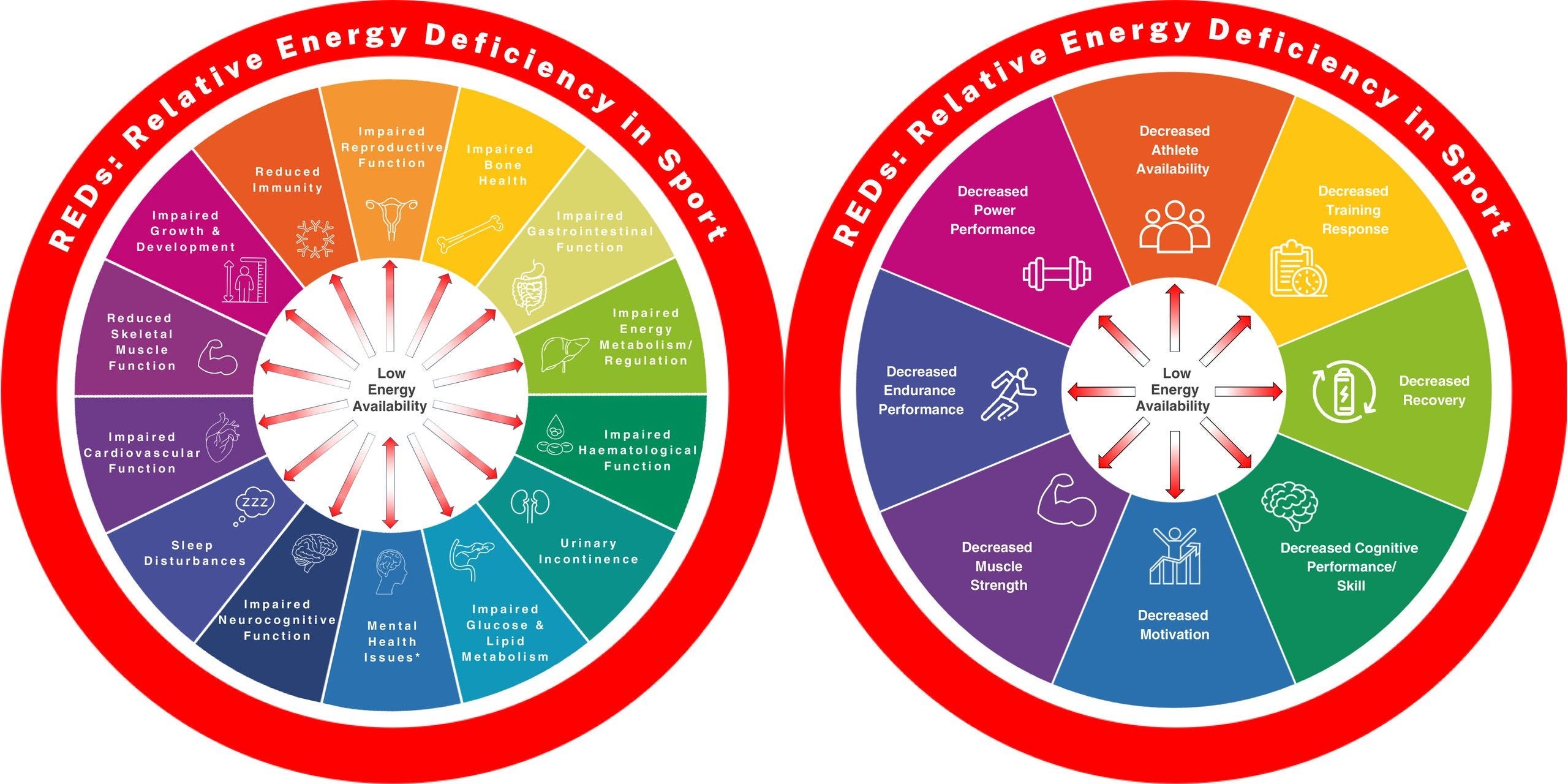
Evidence also shows that strength training can be used during return to performance following Relative Energy Deficiency in Sport (REDs) [22, 23]. REDs is caused by problematic low energy availability (LEA), defined as severe and/or prolonged inadequate energy intake relative to exercise energy expenditure. This chronic shortfall triggers a cascade of hormonal disruptions, and since hormones play a role in regulating bone remodelling, their suppression directly undermines bone health. Athletes with REDs consequently show low bone mineral density, reduced total and cross-sectional bone area, lower bone strength, and thinner cortices. This matters because bone stress injuries occur when accumulated mechanical stress exceeds a bone’s load tolerance, and REDs erodes that tolerance.
This is precisely why strength training, alongside plyometric/high-impact training, is positioned as a key recovery tool, but only once energy availability has started to be restored. Nutritional intervention, primarily increased energy intake, must be the first priority. Resistance training does not substitute for that. What it does is provide an active, complementary stimulus that directly targets the two systems REDs has damaged. Mechanistically, resistance and high-impact plyometric exercise are described as a “potent stimulus for increasing bone mineral density and bone geometry” in healthy populations, and this transfers to REDs recovery.
Key Takeaway 7: Strength training can play a role during recovery from REDs, but only once energy availability is adequately restored.
Where The Data Ends And Your Judgement Begins
As with my first article, I didn’t write this to persuade you to strength train. My goal is always just to give you the information, enabling to make the best decision for yourself or your athletes.
My view is that strength training, like anything else, should be a tool in your toolbox. Now you know the pros and cons, it’s up to you, or your coach, to decide whether additional training time should be dedicated to running volume, strength training, recovery, or something else. I hope these two articles together give you what you need to make that decision.
Where my opinion has probably changed is in the criteria I used to outline which athletes may be good candidates for strength training. I naively thought that a criteria based on weekly volume and injury history is enough, but I think the problem is more complex than that. When working with an athlete, I would make sure to consider at other factors like training history, lifetime running volume, strength training history, injury history, time availability, race/performance demands, recovery, age, sex, lifestyle and individual’s preference amongst other factors. That means that unfortunately, I am unable to define a generic guideline, but I hope that my articles, along with the podcast episodes, can help you make an informed opinion.
Next week I will be releasing two podcast episodes, one full-length episode with Dr. Richard Blagrove, and a shorter episode with Scott Johnston.
Dr. Richard Blagrove is an exercise physiologist, accredited strength and conditioning specialist, and Reader in Physiology at Loughborough University who is widely known for his research on strength training.
Scott Johnston is an endurance and mountain sports coach, co-author of Training for the Uphill Athlete, and founder of Evoke Endurance, with over 30 years coaching elite alpinists, Olympians and world-class ultra runners, including Tom Evans and Ruth Croft.
With each guest, we cover the intersection of running and strength training, which athletes are good candidates, which exercises to focus on, the time cost within an overall programme, and their views on strength training for injury prevention.
Both episode will be available here on Substack, as well as on YouTube, Spotify, Apple Podcasts and YouTube Music.
Most runners don’t need more information - they need a thinking partner.
If you are looking to understand if you would be a good candidate for strength training, coaching can help bridge that gap. I work with athletes to make sense of where they are, identify what actually matters, and move forward with confidence.
Learn more here:
Coaching

Most trail and ultra runners don’t need someone telling them exactly what to do, they need clarity through discussion. They need space to talk through doubt, plateaus, conflicting advice, messy data and the persistent question of “am I actually doing this right
Did you know? Every month I release The Monthly Orientation: your training focus for the month, a workout to try, and the best reads and listens from the endurance world. Upgrade to paid to not miss out.
Not ready to commit? Send me a message and I’ll comp you a one-month trial so you can go back and read through all previous releases, all for free.
The biggest gap in flat-ground running economy research for trail runners is eccentric damage—on steep mountain descents, heavy strength work acts as armor against the mechanical muscle tearing that halts runners late in a race.